

Luxury Travel Guide:
Southern Patagonia
A Journey to the End of the World
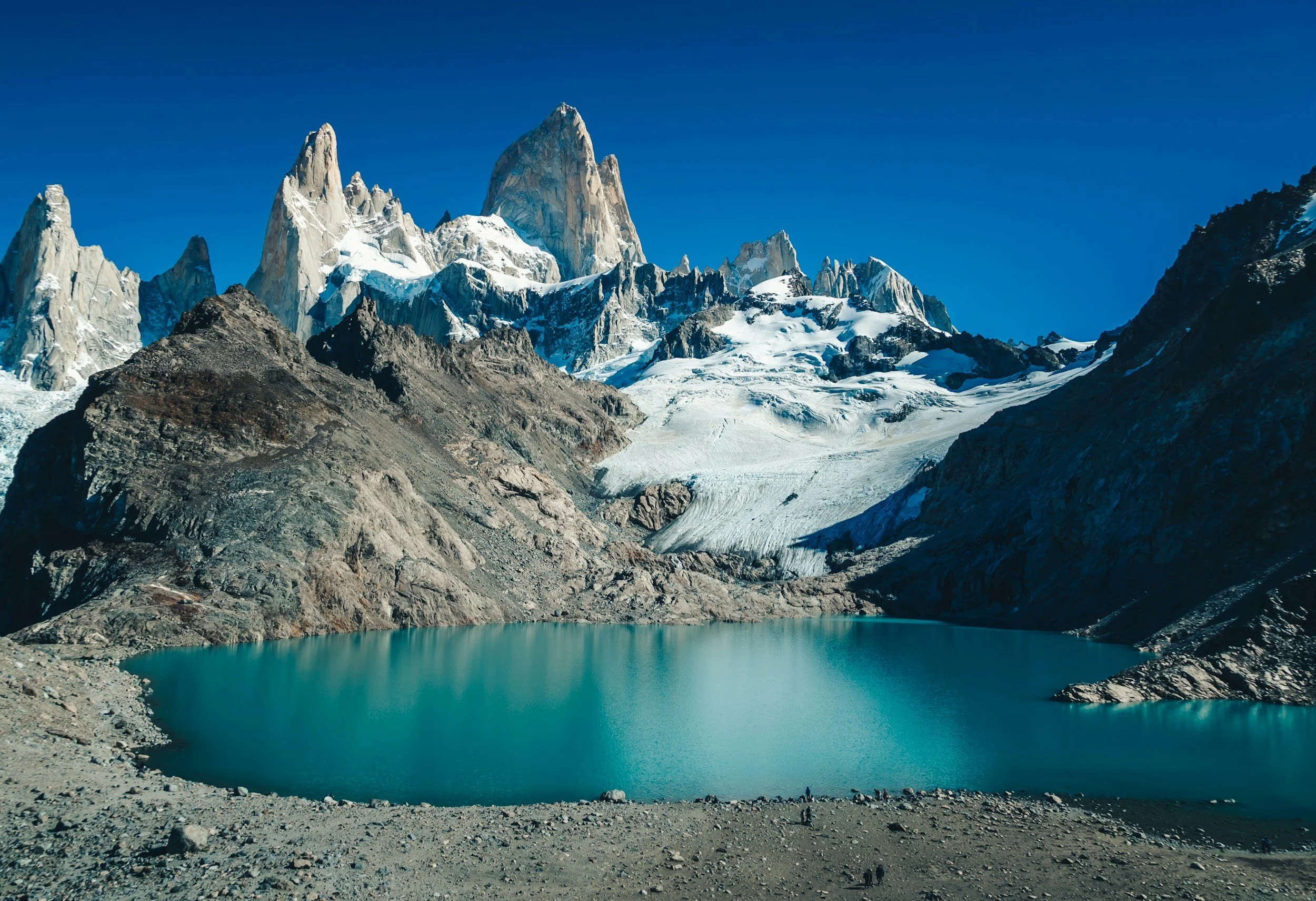
Southern Patagonia is one of the last great wildernesses on Earth. An elemental landscape shared between Chile and Argentina, shaped by granite peaks, ancient glaciers, turquoise lakes, and skies that change every hour. It sits at the bottom of South America, miles from the nearest city, and that remoteness is precisely the point.
Most people's mental image of Patagonia: the soaring Torres del Paine massif, the Perito Moreno glacier calving into blue-green water, horseback riders crossing windswept steppe, belongs to this region. The Chilean sector is anchored by Torres del Paine National Park, one of the world's great protected landscapes. The Argentine side offers its own gateway: El Calafate, a small town on the shores of Lago Argentino with direct access to the Los Glaciares National Park system.
The north and south of Chilean Patagonia are genuinely different destinations. Northern Patagonia, the Aysén region, the Carretera Austral corridor, is lush, intimate, and almost entirely undiscovered. It rewards a dedicated trip of its own. Southern Patagonia delivers maximum visual impact for a first visit: the granite spires, the massive glaciers, the cinematic open landscape. The lodge infrastructure in the south is also the most developed in all of Patagonia, with several world-class properties offering levels of service and guided experience that simply don't exist elsewhere in the region.
For first-time visitors, the south is the stronger choice. For travelers who have already experienced Torres del Paine, the north is the natural next chapter.
Activities
Days in southern Patagonia move at the pace of the landscape. Mornings begin early and excursions are typically planned the evening before based on wind conditions, group fitness levels, and guide availability. No two days follow the same itinerary. Below are the experiences that define a trip here.
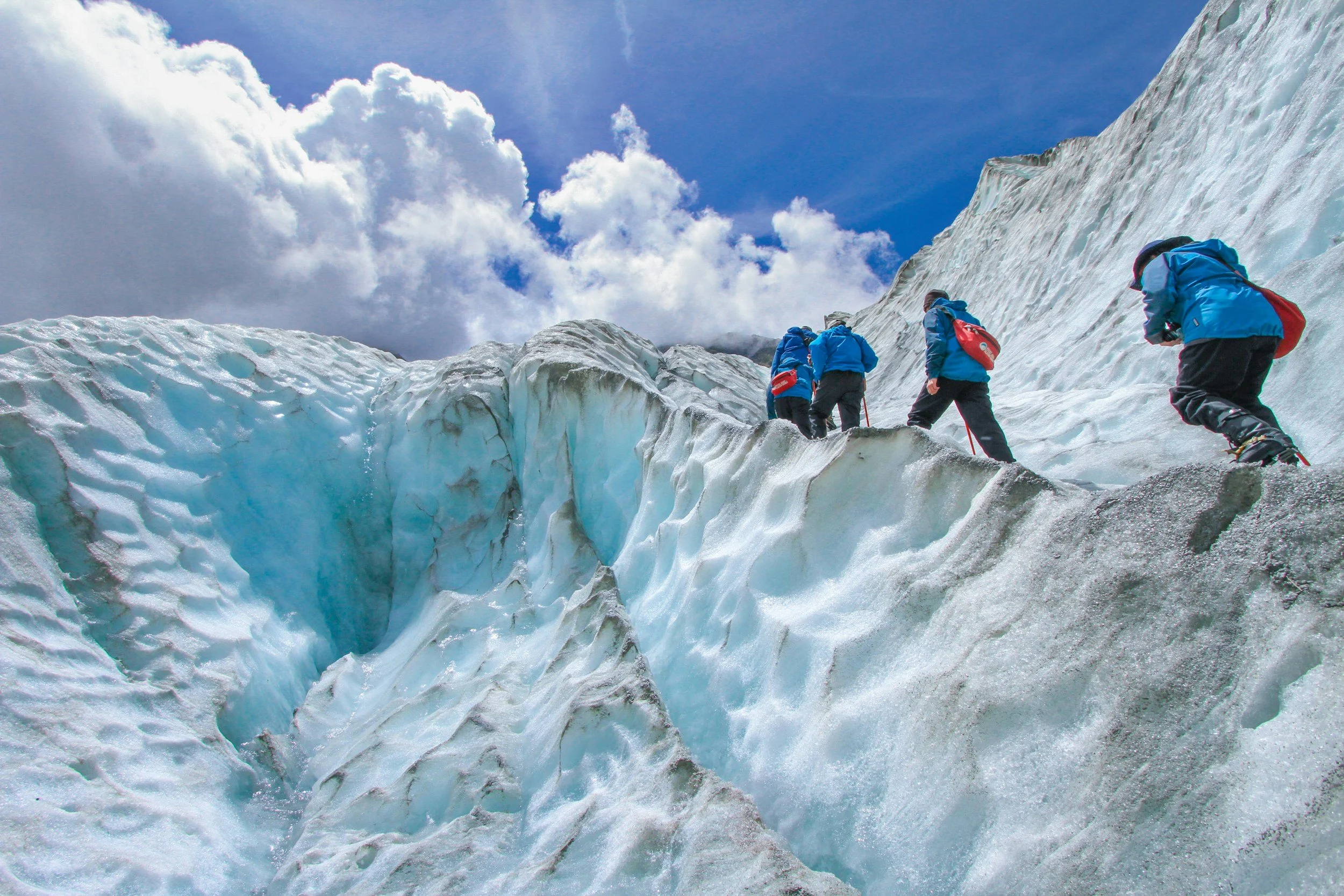
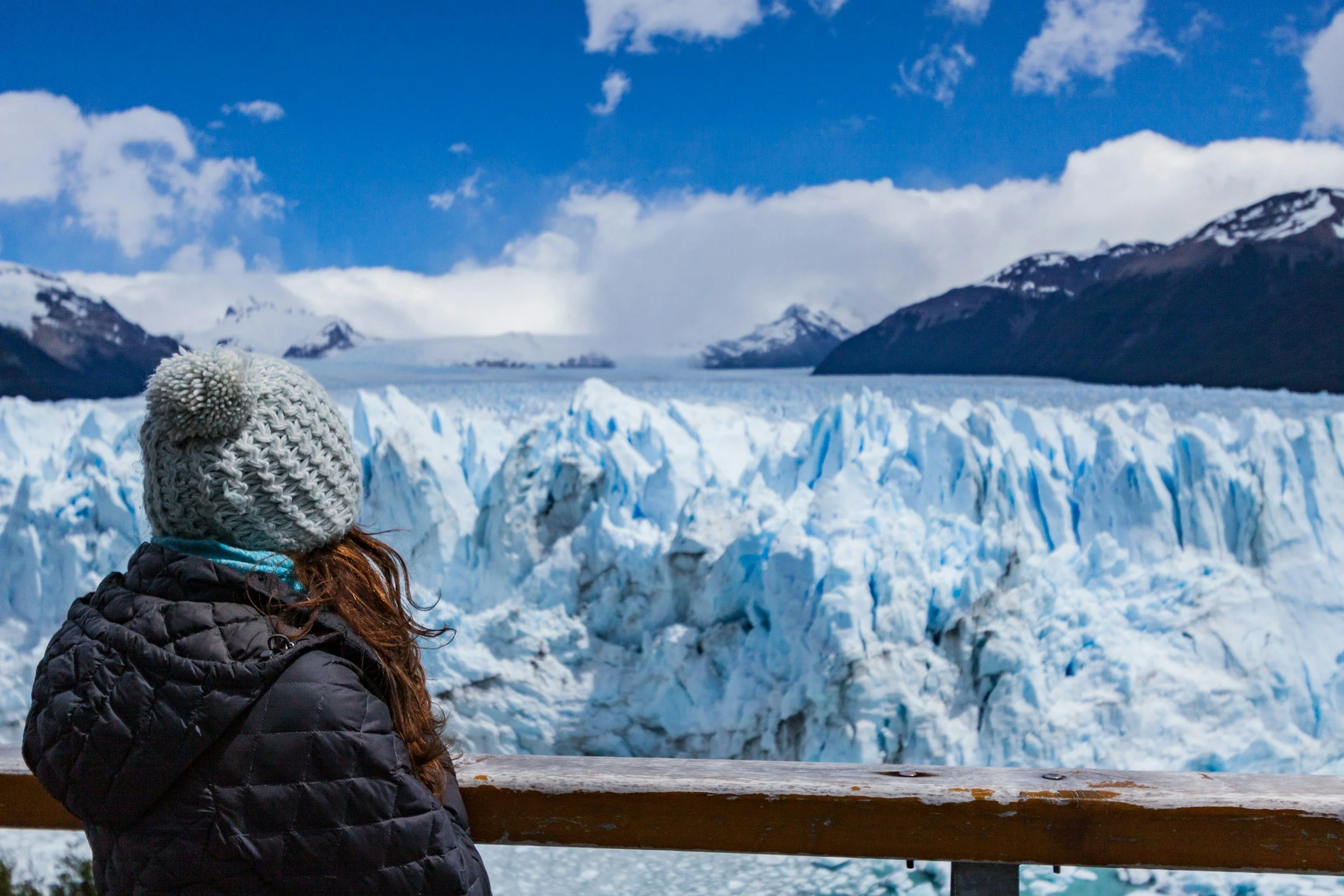
Glacier Trekking - Walking on ice is one of the defining experiences of the Argentine side of Patagonia. The Big Ice excursion at Perito Moreno Glacier involves crampons, a short boat transfer, and several hours on the glacier itself.
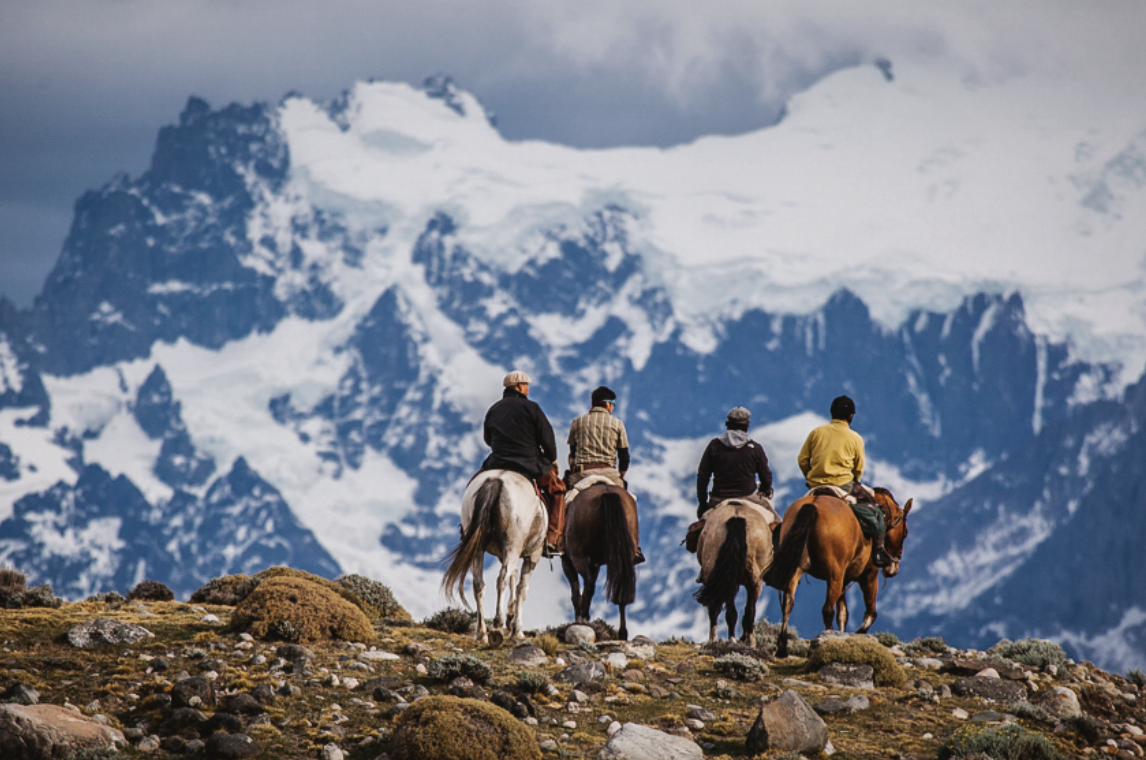
Gaucho Horseback Riding - Guided rides across the Patagonian steppe with local gauchos are available through most lodges and at private estancias.
Private Estancia Asado - This is the single experience we recommend requesting regardless of which lodge you choose. A working Patagonian ranch, a gaucho family, a whole lamb over wood since sunrise, and wine from the Maule Valley.
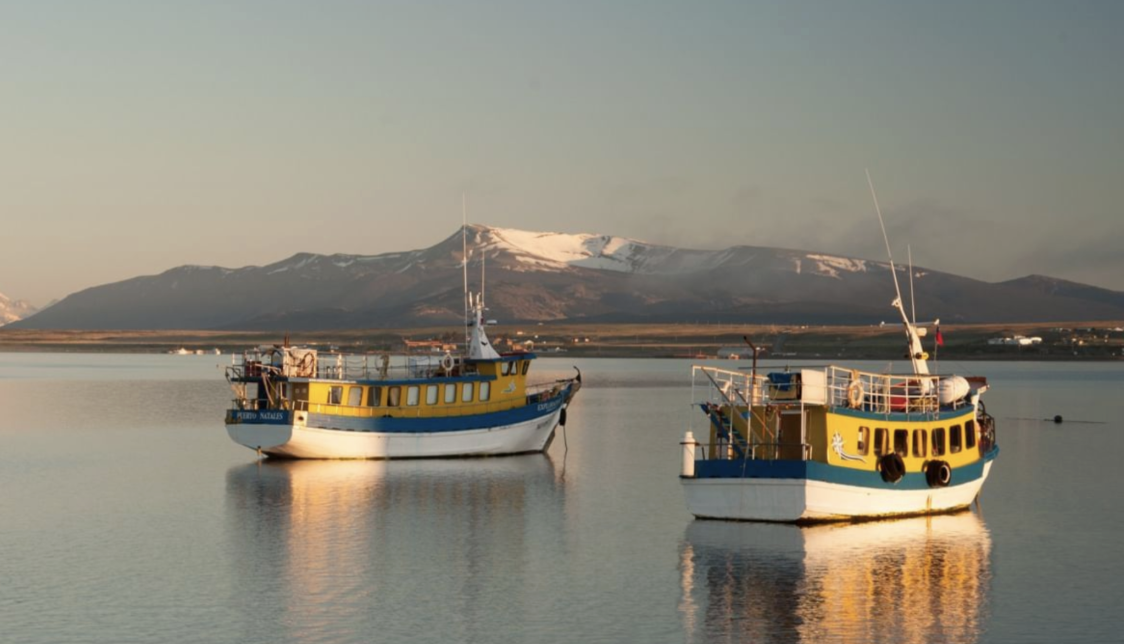
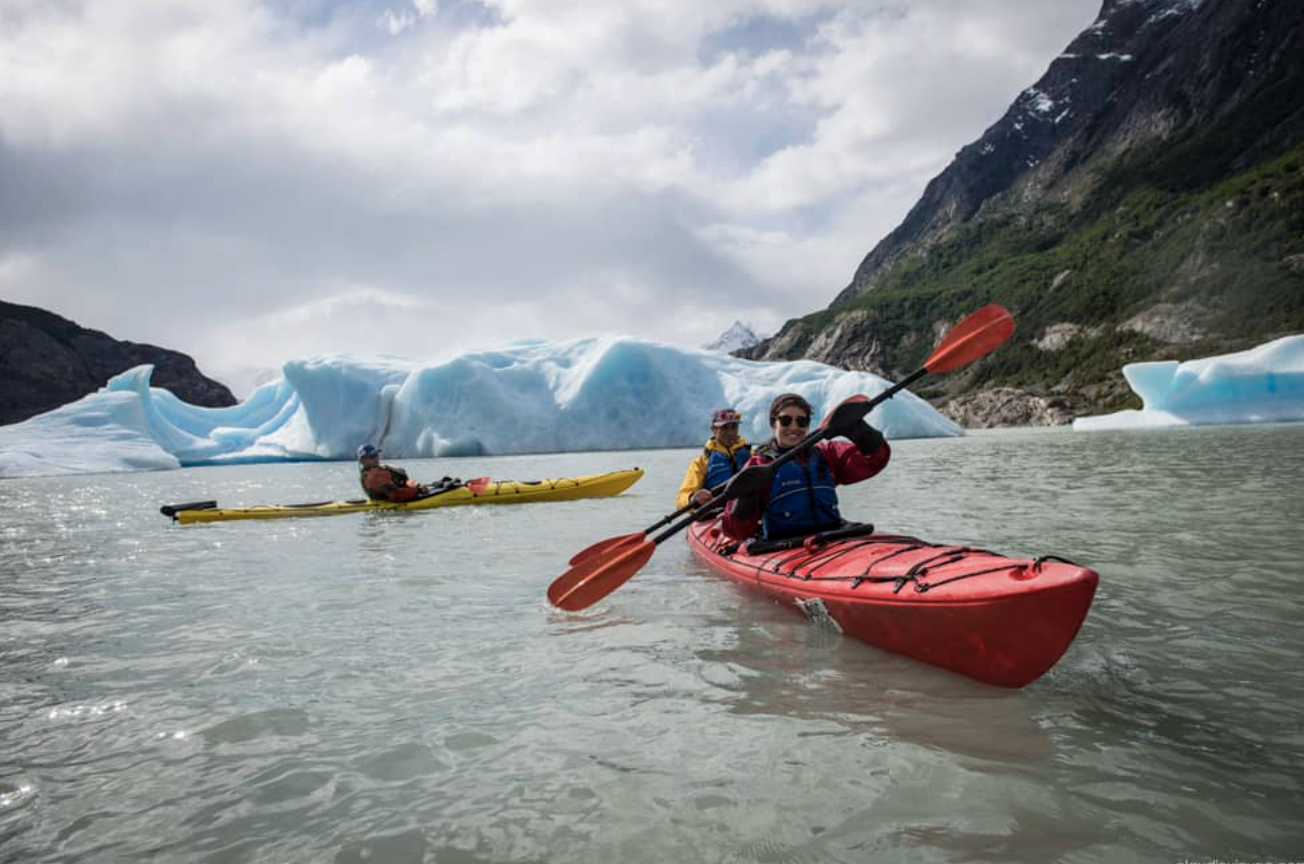
Glacier Boat Trips - Several lodges arrange boat excursions to the face of Grey Glacier in Torres del Paine, where icebergs calve directly into the grey-green lake. Kayaking among icebergs is also available and gives a different, quieter perspective on the same terrain.
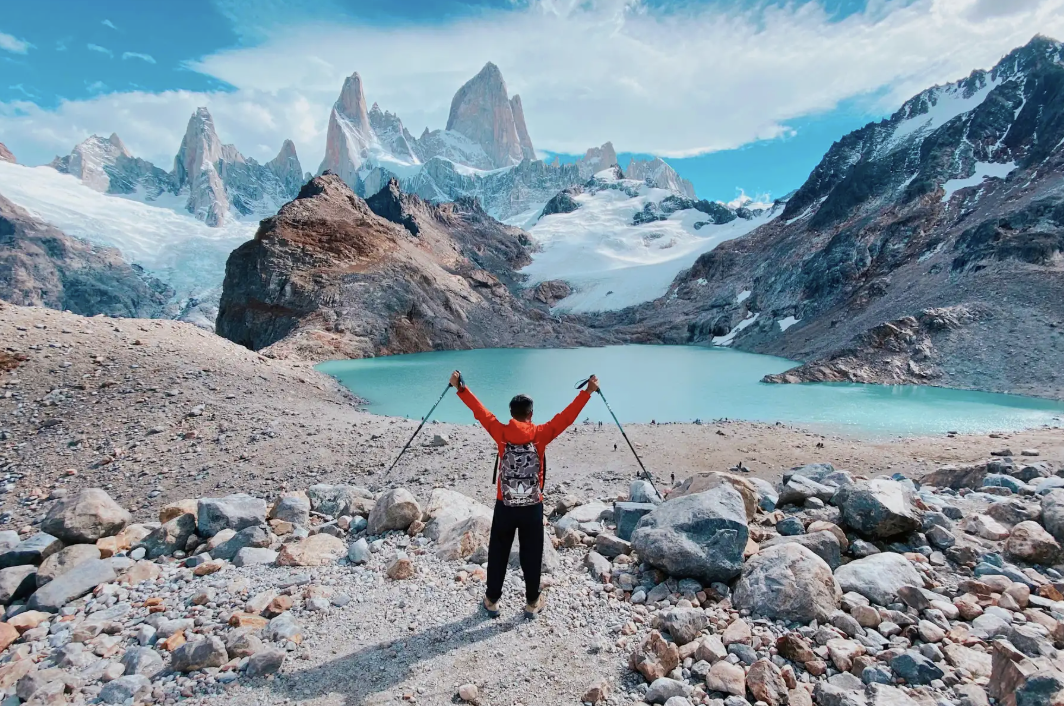
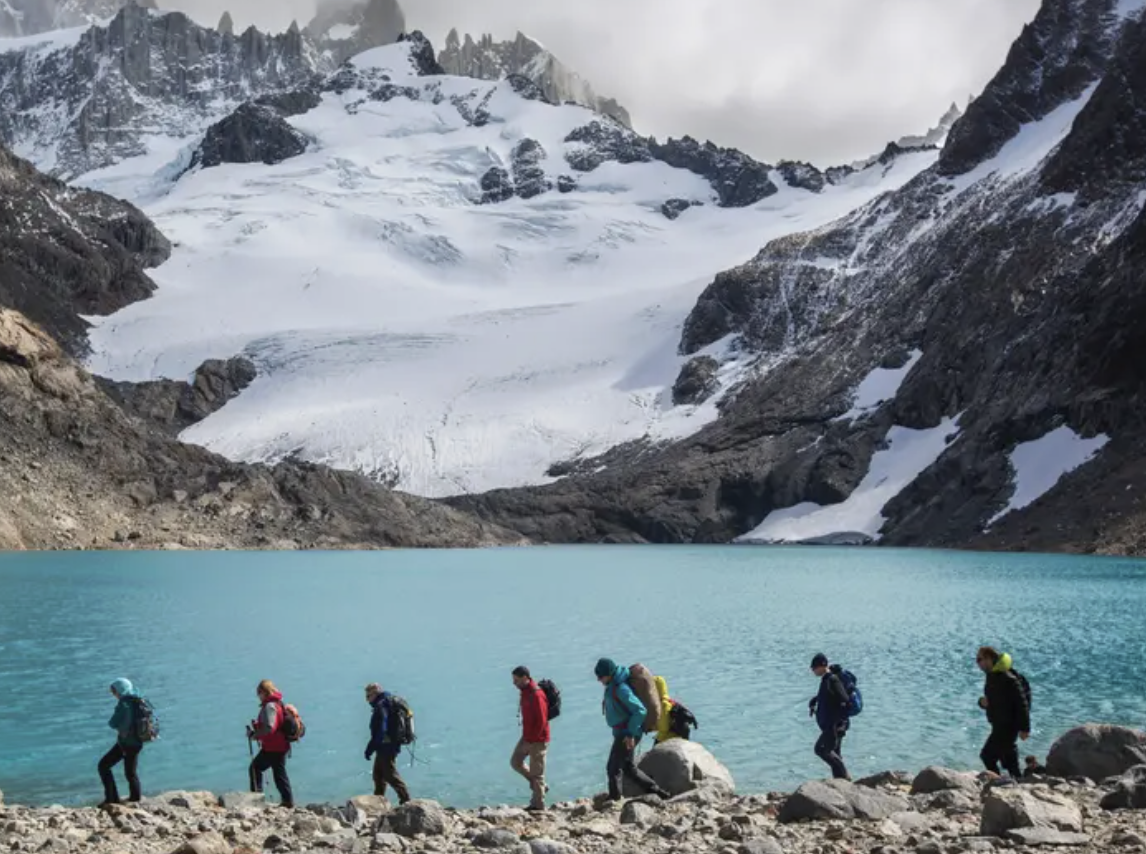
Hiking - The range runs from a gentle 90-minute walk around Laguna Azul to the full-day trek to the base of the Torres — the three granite spires that define the park's skyline.
Wildlife - Condors are everywhere, circling the thermals above the park almost daily. Guanaco herds roam freely across the steppe. Fox sightings are common. Pumas are present in the region, particularly in the Sierra Baguales area. Birdwatchers will find the region extraordinarily rich.
Spa and Wellness - Not all Patagonia lodges are built around activity. Several (but not all) offer spa facilities, heated indoor pools, outdoor Jacuzzis with panoramic park views, and yoga programs. These properties pair naturally with more excursion-forward lodges as a two-lodge combination, giving the trip a deliberate rhythm of exertion and restoration.
Lodges
Southern Patagonia has a small but exceptional collection of luxury lodges, each with a distinct character, location, and philosophy. All are all-inclusive in the sense that meals are covered; most include guided excursions. The key differences lie in how excursions are organized (private vs. group), what wellness facilities exist, and the emotional atmosphere of the property itself.
We recommend staying at two lodges on any trip of six or more nights in Patagonia. The transfer between them is itself a journey, and the contrast gives the trip depth that a single property cannot.
Awasi Patagonia
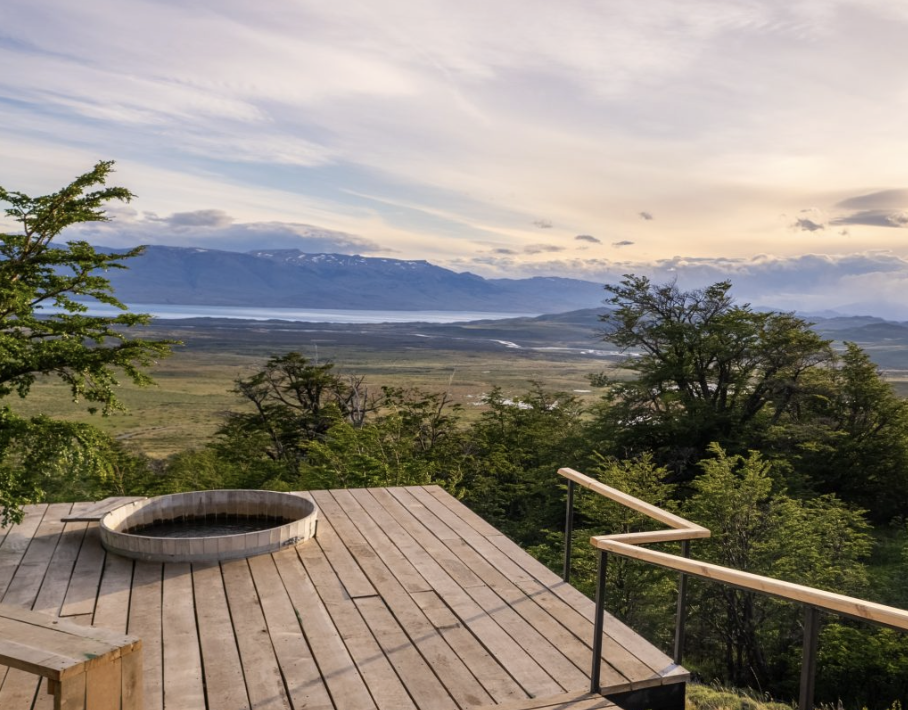
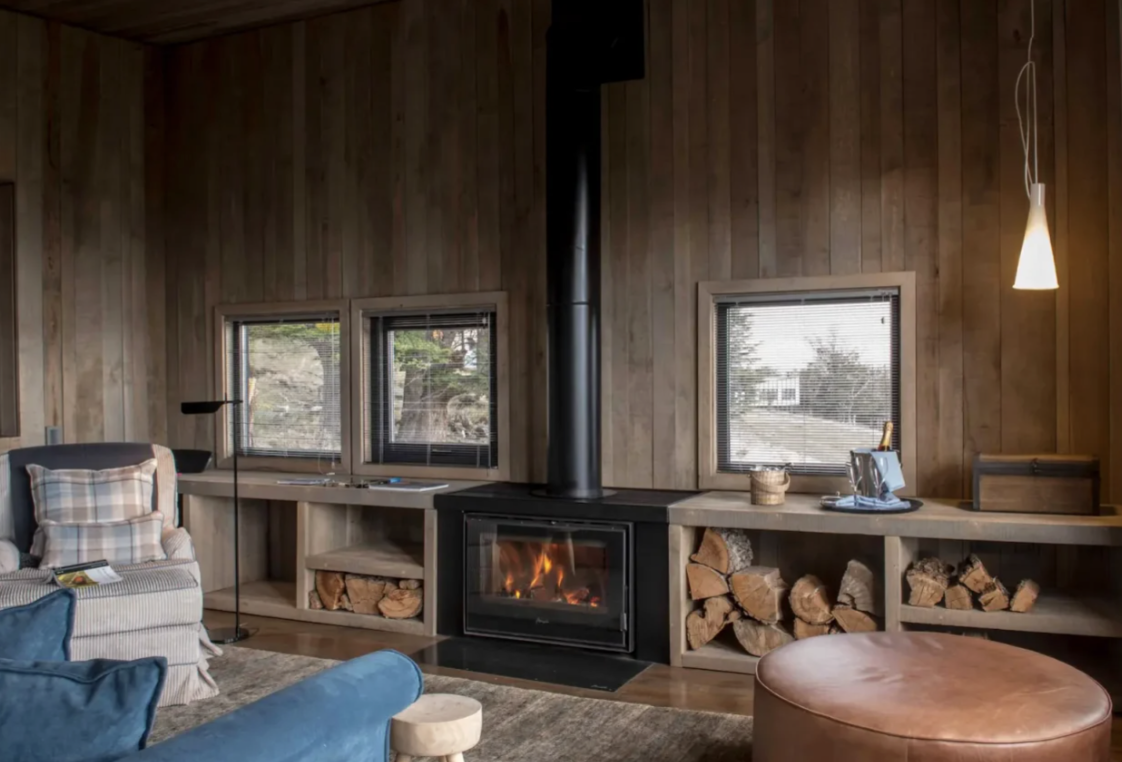
Awasi is the most private experience available in Torres del Paine. Fourteen villas designed by Chilean architect Felipe Assadi sit on stilts above a tundra valley with the Paine Massif filling every window. The property operates on a strict private-guide, private-4x4 model: every villa comes with its own dedicated guide and vehicle, available from first light with no shared schedule and no compromise on route or pace. Villas are spaced far enough apart that guests communicate by walkie-talkie. The outdoor hot tub faces the park. A wood-burning fireplace inside. WiFi only in the common areas, intentionally. The access road, 25 gravel minutes downhill, ensures the property feels like a world of its own. Awarded three Michelin Keys.
Tierra Patagonia
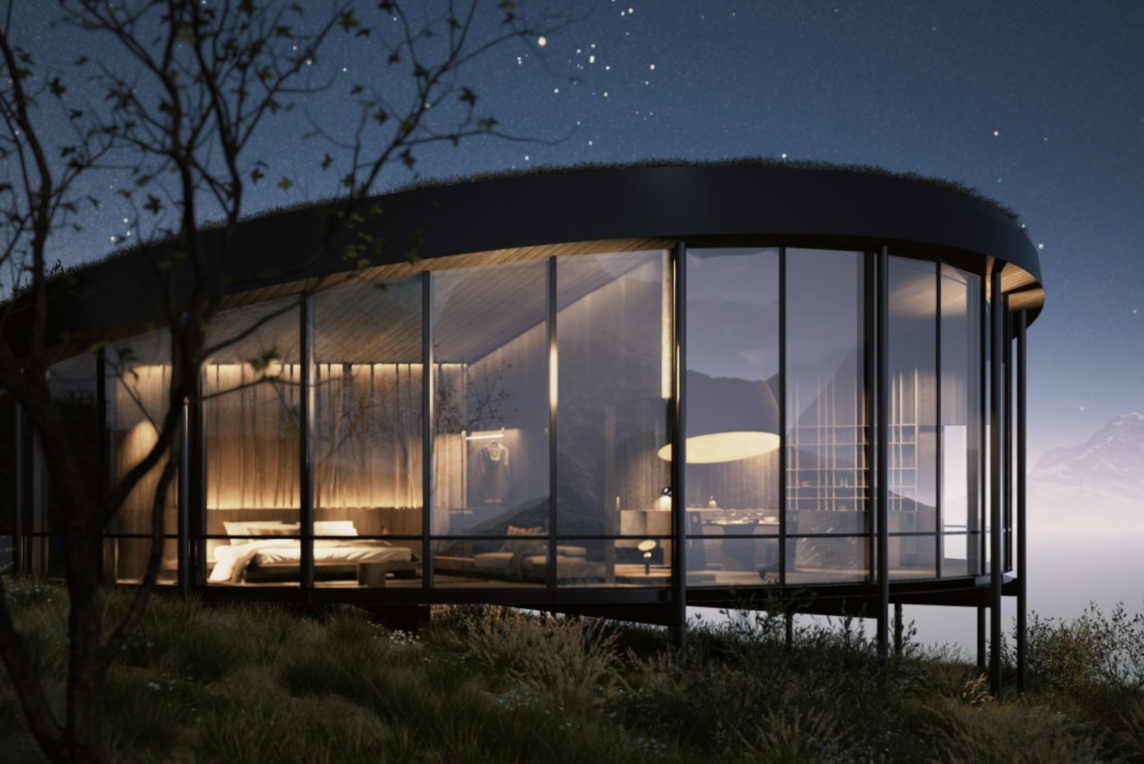
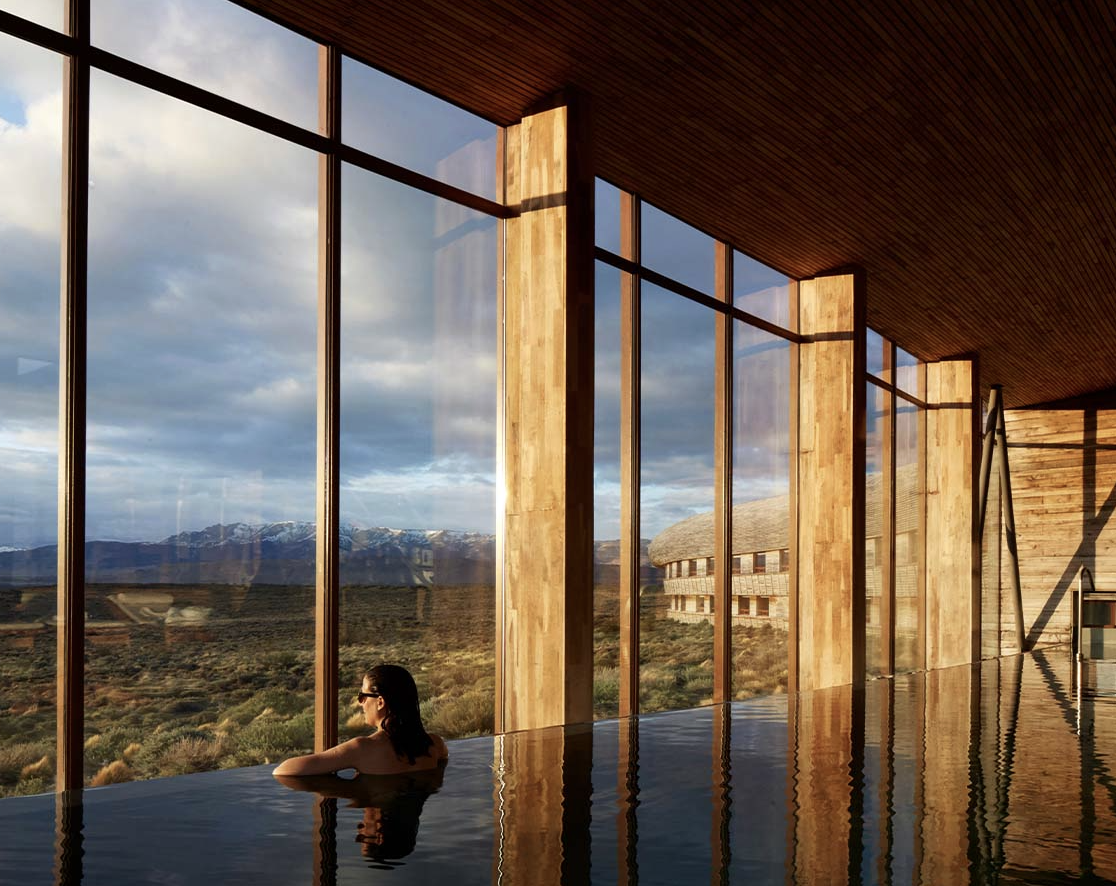
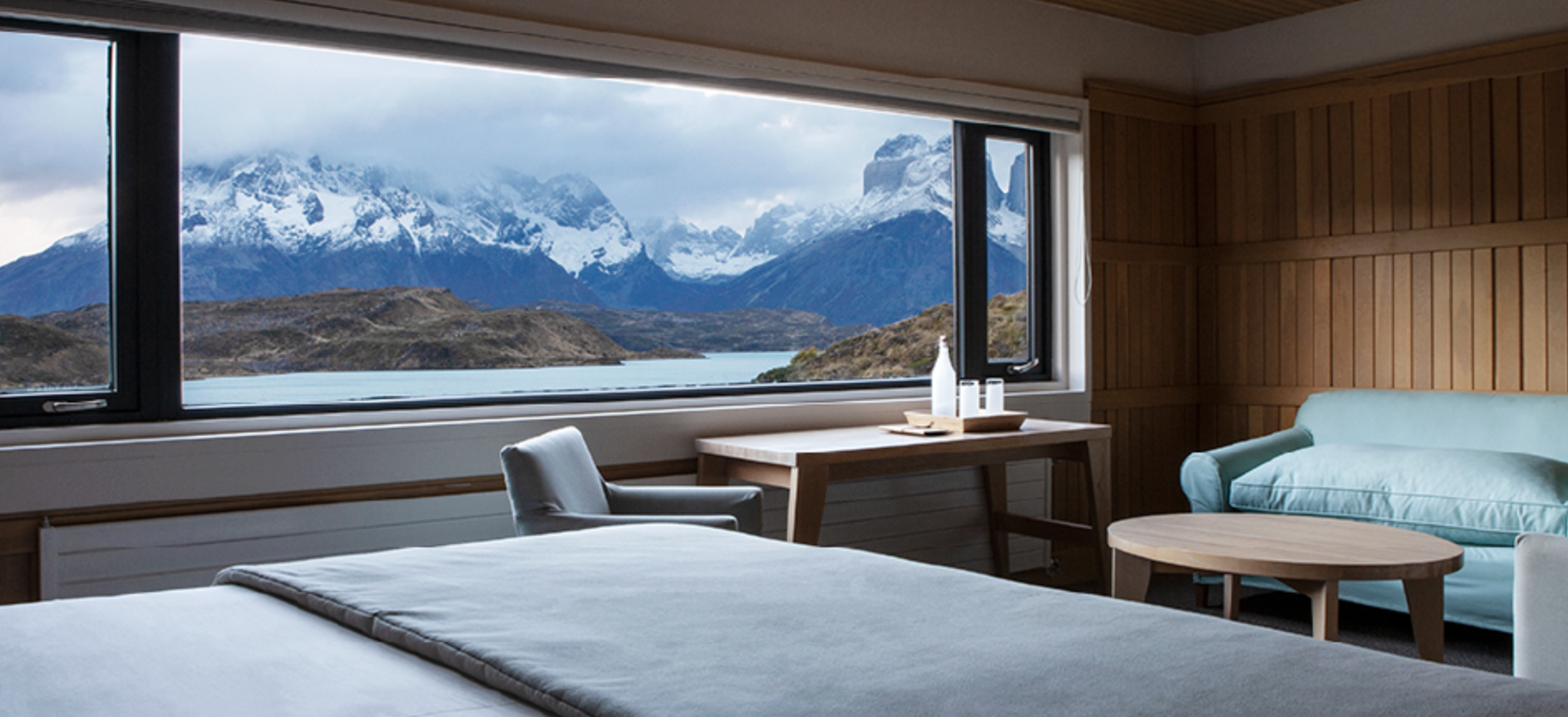
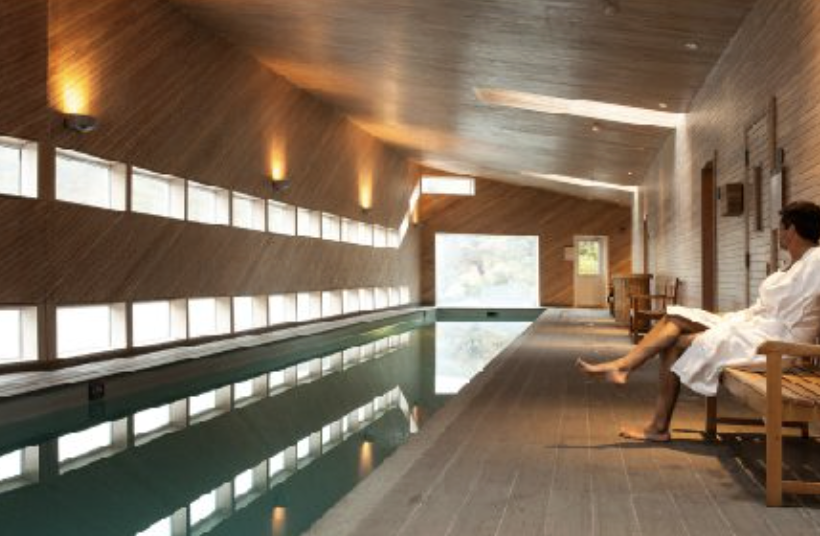
Tierra sits on the shore of Lake Sarmiento and makes its promise the moment you walk through the door: a perfectly framed panorama of the Paine Massif, visible from every room. The structure itself features all organic curves clad in local wood and mimics the surrounding landscape so effectively that from within the park it has to be pointed out. This is the lodge for travelers who want equal weight on wellness and adventure. A full spa, heated lap pool, and outdoor Jacuzzi with uninterrupted park views are complemented by a strong excursion program and dedicated experience team. The yoga program is the best in the region. Awarded three Michelin Keys.
Explora Patagonia
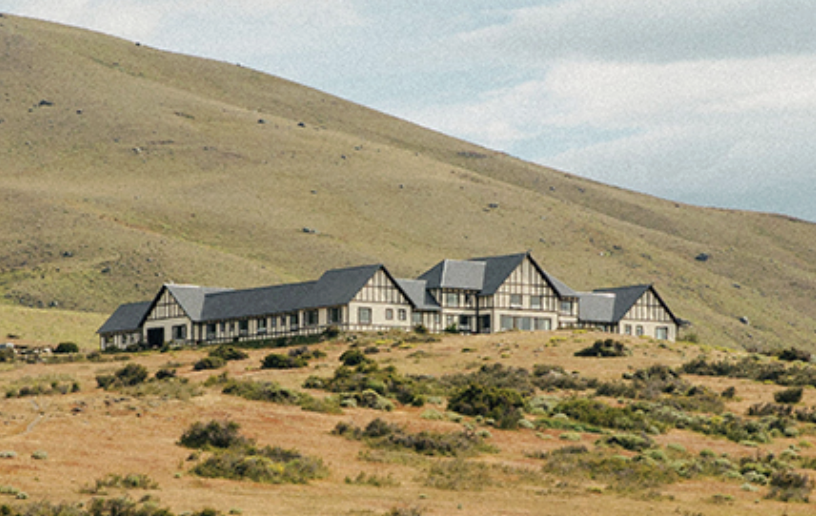
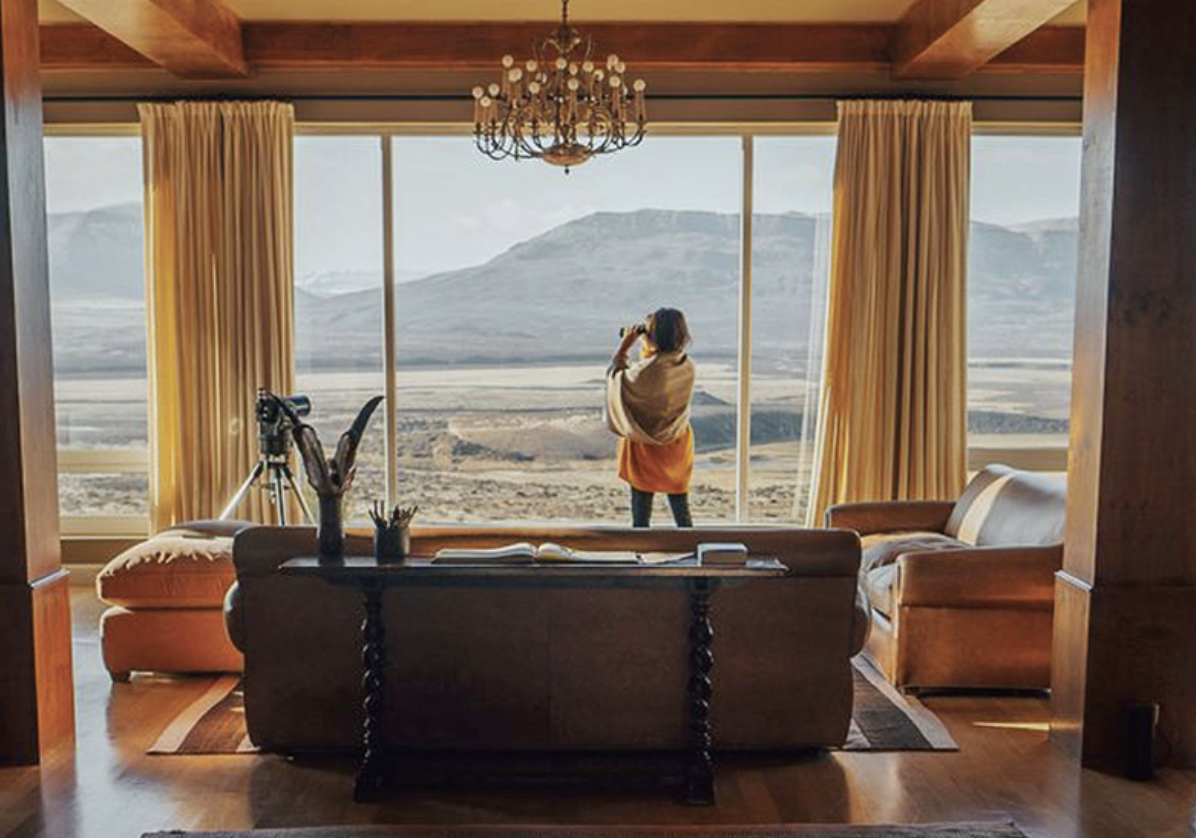
Explora is built around a single philosophy: come here to move. The lodge has operated in Torres del Paine since 1993, and the depth of that institutional knowledge shows in the range and quality of its excursion program as one of the most comprehensive in the park, from half-day walks along Laguna Azul to full-day climbs toward the base of the Towers. Fifty rooms with park views, four outdoor Jacuzzis, a heated indoor pool, and hydromassage baths ideal for post-hike recovery. Rooms are on the compact side; suite upgrades are recommended for travelers prioritizing space. The guided horseback rides led by gauchos are among the best available in the region. Awarded two Michelin Keys.
Eolo Patagonia
Eolo sits on the Argentine side of Patagonia, an hour outside El Calafate on a remote mountain plateau. Opened in 2004 and still privately owned, the property was built in traditional Patagonian style — sheet metal over timber framing, looking less like a hotel and more like a ranch that evolved over generations. At seventeen rooms, it is the most intimate option in this guide. The bar is legendary among guests: a cozy room with an endless wine list and a poker table. Excursions lean toward the Argentine terrain — ice trekking, isolated estancias, mountain biking on Eolo's own land — and do not overlap with the Torres del Paine program, making it a naturally complementary pairing with Tierra. Awarded two Michelin Keys.
The Singular Patagonia
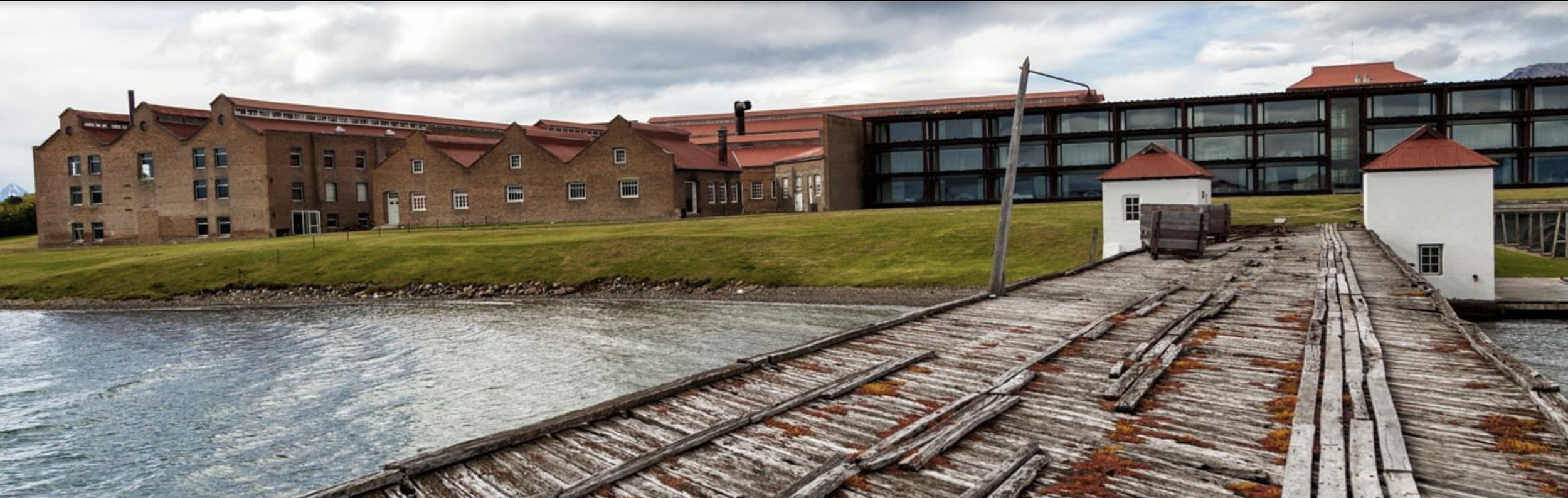
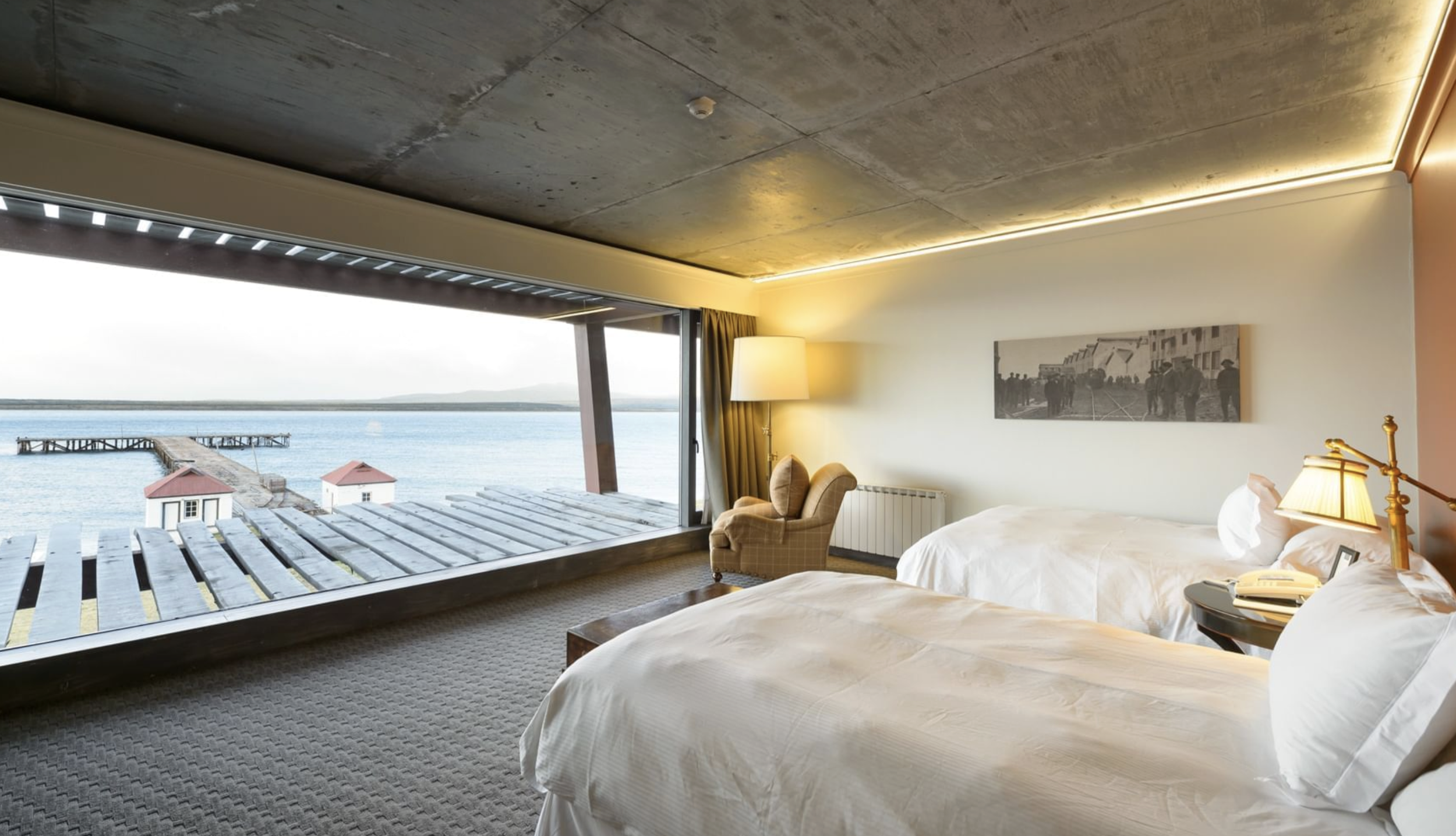
The Singular occupies a 1915 cold-storage plant on the shores of the Última Esperanza Sound near Puerto Natales, declared a National Monument and transformed without erasing its industrial past. Exposed Victorian machinery, original brick, and the old tannery visible throughout the building give the property a sense of history and place that no new-build can replicate. Fifty-seven rooms in a modern wing face the fjord with floor-to-ceiling windows. The restaurant is among the best in Patagonia. The spa includes steam room, sauna, and a pool with both indoor and outdoor sections. Sitting an hour and a half from the park, The Singular is best suited to travelers prioritizing coastal excursions — kayaking fjords, fly-fishing, sailing to private reserves — alongside park day trips. Awarded two Michelin Keys.
Logistics
Suggested Packing
Patagonian weather in December is unpredictable on an hourly basis. The fundamental principle is layering: the ability to add and remove clothing throughout the day as conditions shift. Wind, rain, and sun can arrive in the same afternoon. The following is a working packing list for the active portion of the trip.
Clothing
Thermal base layer (top and bottom) — merino wool preferred
Fleece mid-layer — full zip for ventilation control
Down jacket — packable, fits in a daypack
Windproof and waterproof hardshell jacket — non-negotiable; this is the most important piece of gear
Waterproof hiking pants or softshell trousers
Quick-dry hiking pants for calmer days
Moisture-wicking hiking shirts (2-3)
Buff or neck gaiter — wind protection for the face
Warm beanie or fleece hat
Sunglasses — UV protection and wind glare
Light gloves for early mornings
Footwear
Waterproof mid-ankle hiking boots — broken in before the trip; new boots are a serious mistake in Patagonia
Camp shoes or light sneakers for lodge evenings
Gear
Daypack (20-30L) — most lodges provide trekking poles
SPF 50+ sunscreen — the sun at this latitude can be intense; the UV index is high despite the cold
Lip balm with SPF
Reusable water bottle — lodges and guides carry refills
Camera with a wrist strap rather than a neck strap — wind gusts can catch a swinging lens
Lodges will send a confirmed packing list upon booking. The above covers the essentials.
When to Visit
High Season — Mid-December through January The best weather odds, the longest days, and the most daylight for hiking. Peak pricing and the fullest lodges. Book well in advance.
Shoulder Season — November and February November brings fewer crowds and lower rates, but weather is less reliable and some properties haven't fully opened for the season. February is the sleeper pick. Wind eases slightly, lodges thin out after the school holiday rush, and the light turns golden earlier in the evening. Strong value for flexible travelers.
Off Season — March through October Most lodges close entirely. Torres del Paine is not a year-round destination.
A note on wind regardless of when you go: Patagonia is famously windy. December and January can bring sustained gusts of 80 to 100+ km/h. Guides are experienced, excursions adapt. Factor it in rather than being caught off guard.
Getting Around
Once in Patagonia, all transportation is handled by private vehicle. There is no public transit of any kind in the Torres del Paine region, and taxis do not operate outside of El Calafate town.
The transfer from El Calafate airport to the lodges runs between 3.5 and 4.5 hours depending on which property you are headed to, much of it on unpaved Patagonian roads. This drive is not a cost. The steppe landscape, condors overhead, and the first views of the Paine Massif appearing on the horizon are genuinely part of the arrival experience.
Transfers between lodges are also private. Most lodge-to-lodge transfers include a stop en route: a viewpoint, a short walk, or a roadside estancia lunch at the guide's discretion.
Required Documentation
Both Chile and Argentina are visa-free for US citizens. A valid passport is required. No special vaccinations are recommended or required for either country. Be sure to check before you go.
Find Your Journey.
Submit your information to connect with a team member who will help you create a personalized trip, ensuring an unforgettable experience.